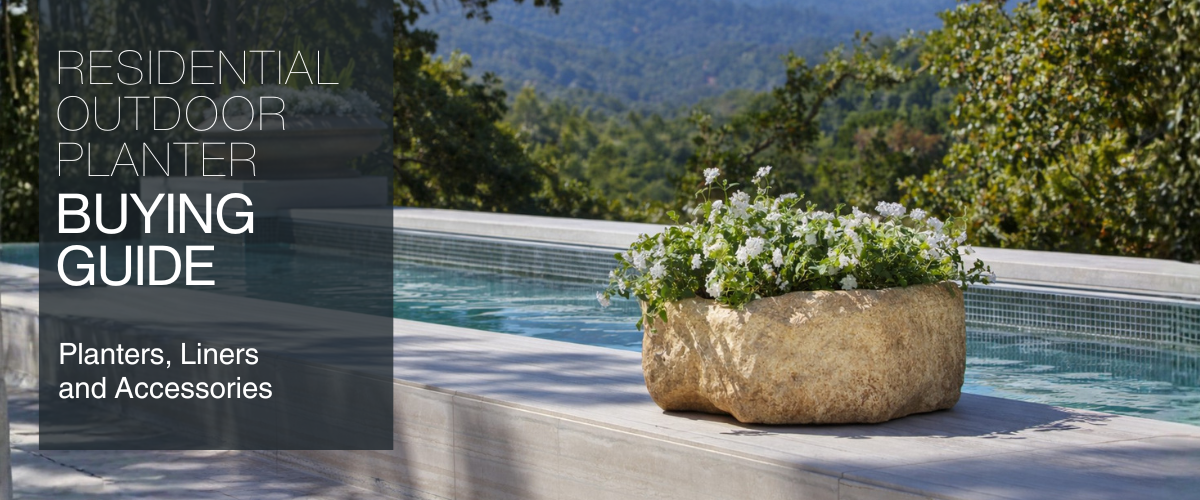
The right residential planter should feel intentional in the space while giving your plants enough room to thrive. The strongest ideas for outdoor planters start with scale, location, planting needs, and the architectural style of the home. Hooks & Lattice offers a broad planter collection in fiberglass, fiberstone, PVC, steel, and other materials, so it helps to narrow the choices in a logical order.
How to Choose a Residential Planter Step by Step
Step 1: Decide What the Planter Should Do
Start with the role the container needs to play. A planter can frame an entry, define the edge of a patio, add greenery to a balcony, support a small tree, or create a visual divider. If you are collecting ideas for outdoor planters, identify the job first so the style follows the space instead of the other way around. The Hooks & Lattice outdoor planter buying guide is a useful reference for comparing common planter uses, sizes, shapes, and accessories.
Step 2: Match the Size to the Space and Plant
Next, measure the available footprint and consider the mature size of the planting. Smaller planters work well as accents and for plants with shallow root systems, while large planters hold more soil and water and can support deeper-rooted plants or mixed arrangements.
When placing a planter outside, leave enough surrounding room for the container to look balanced rather than crowded. Large vessels can make a strong statement at an entrance, along a walkway, or around a pool or terrace.
Step 3: Choose a Material That Fits the Setting
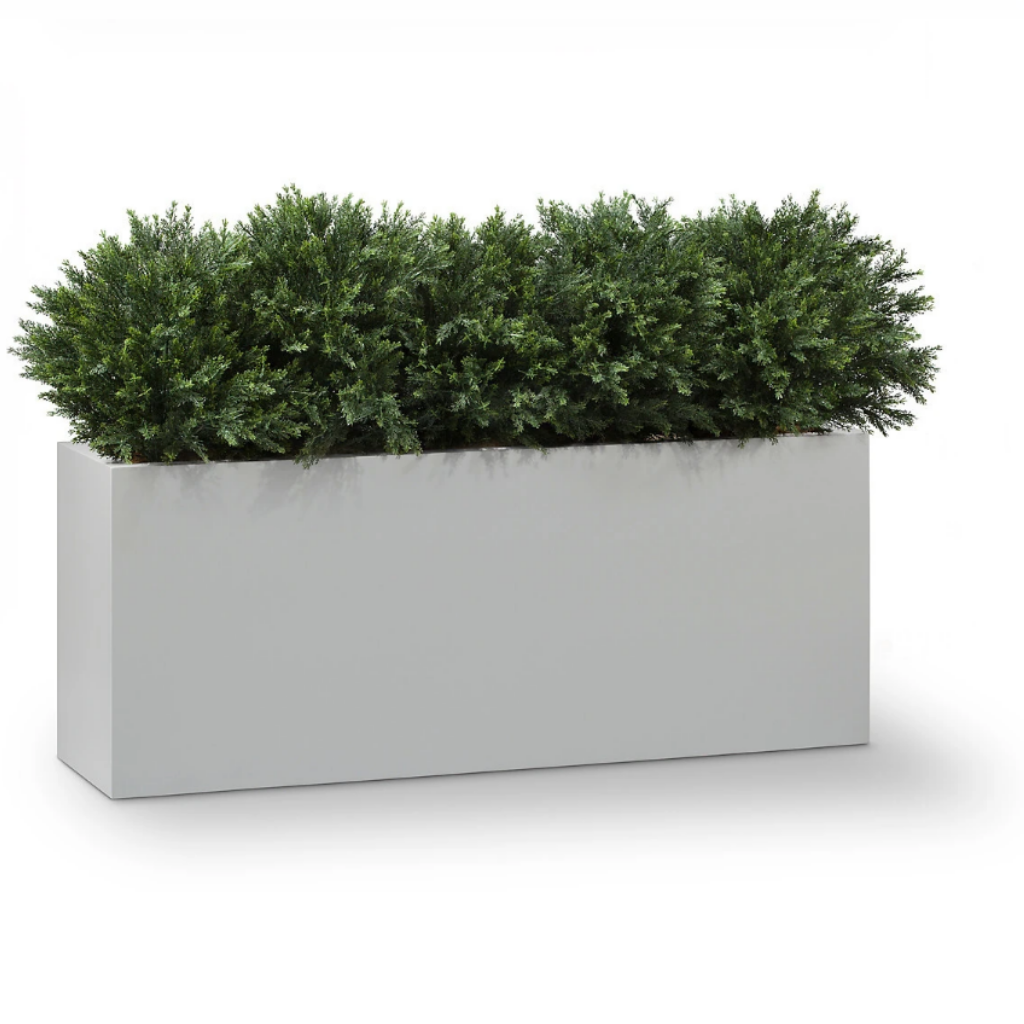
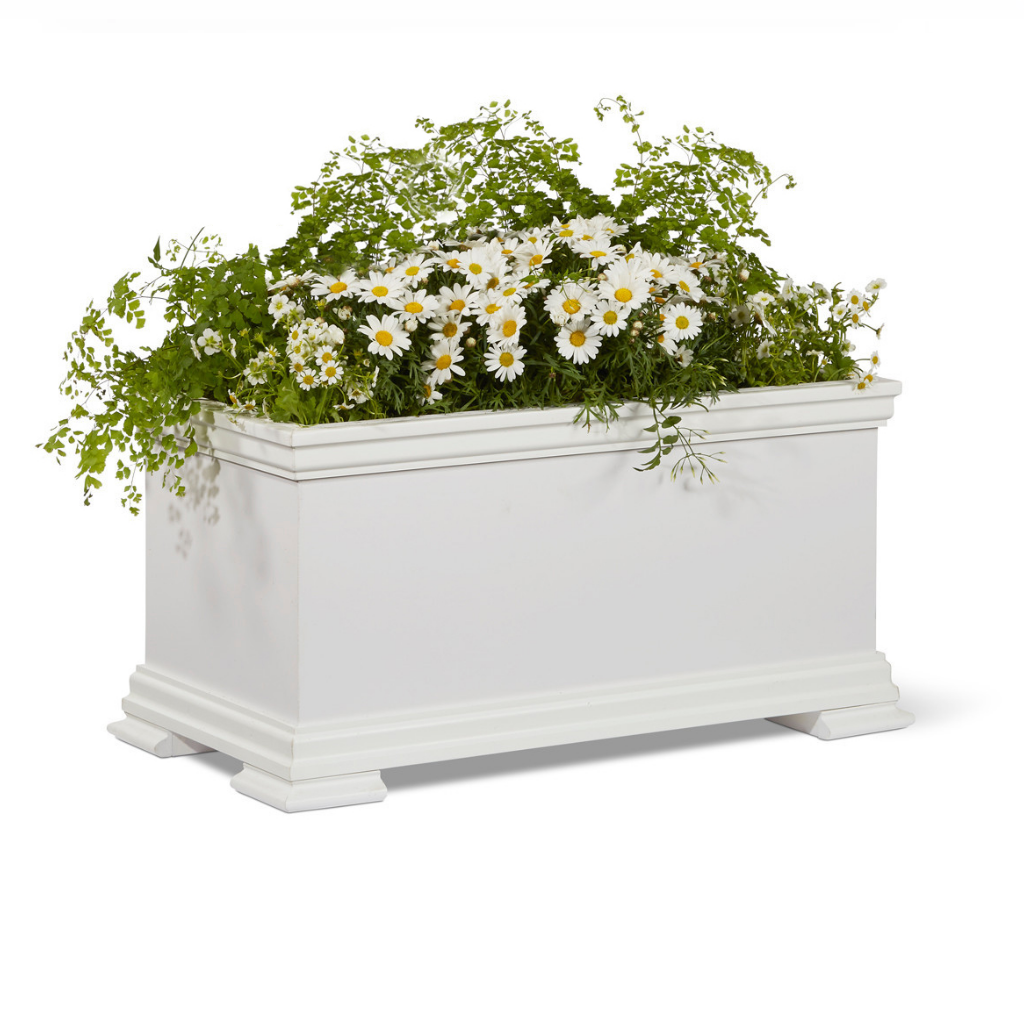
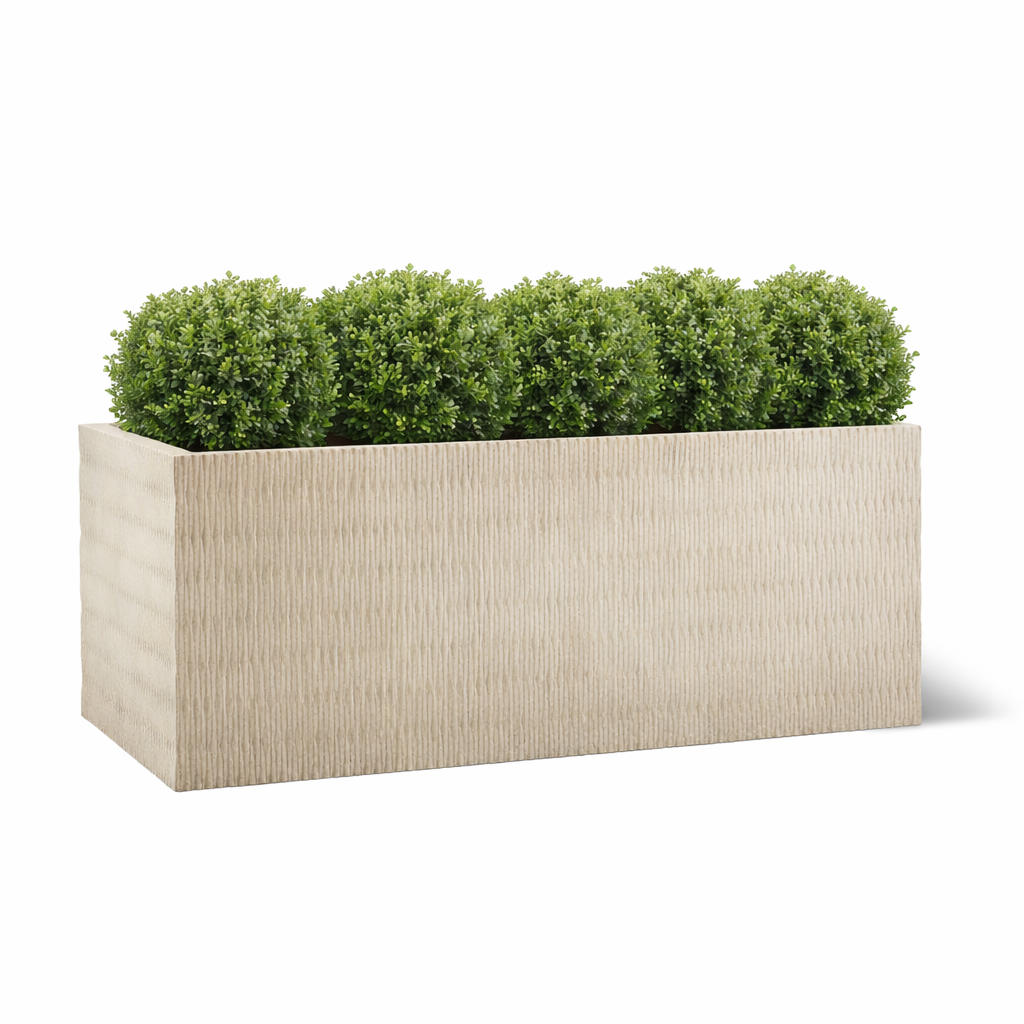
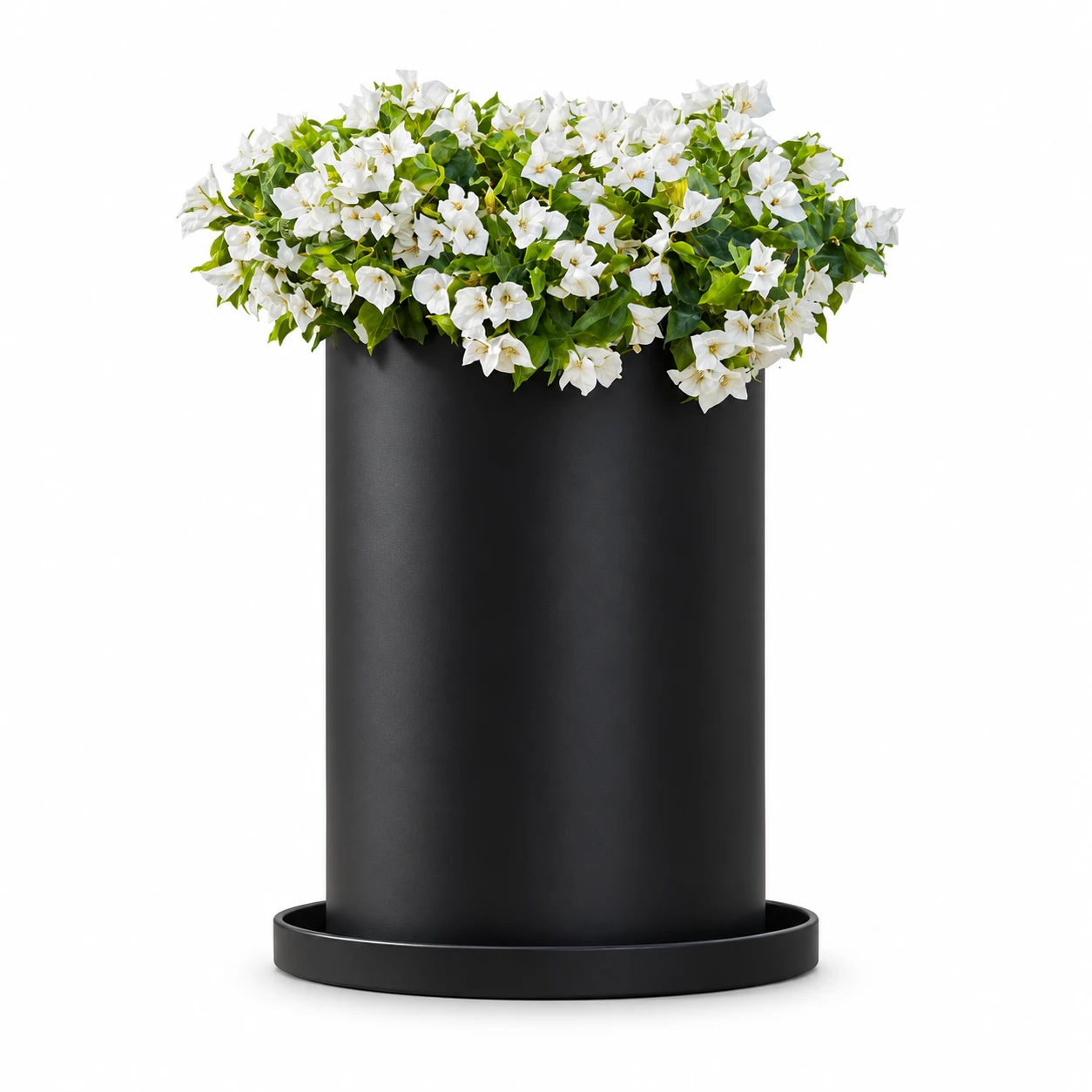
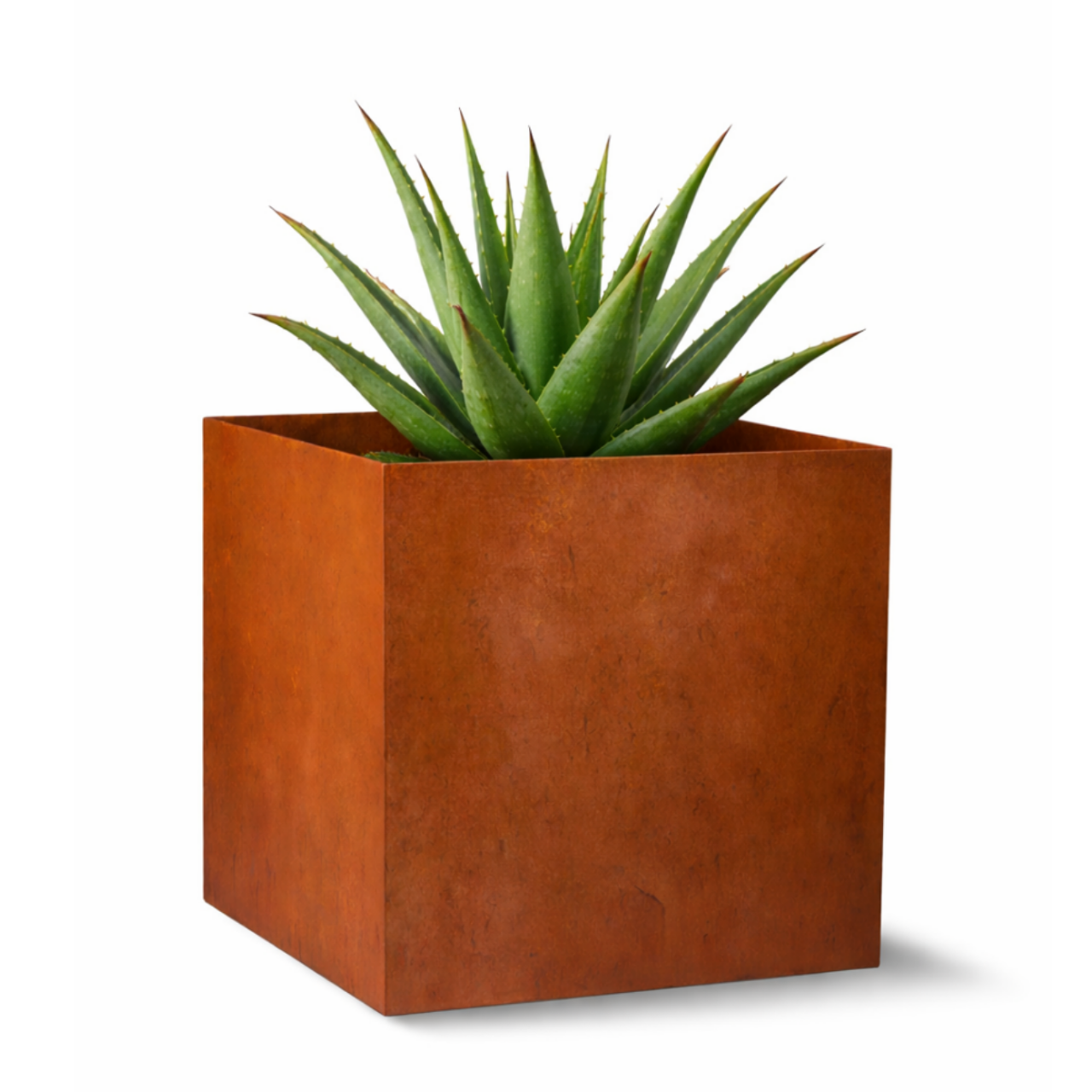
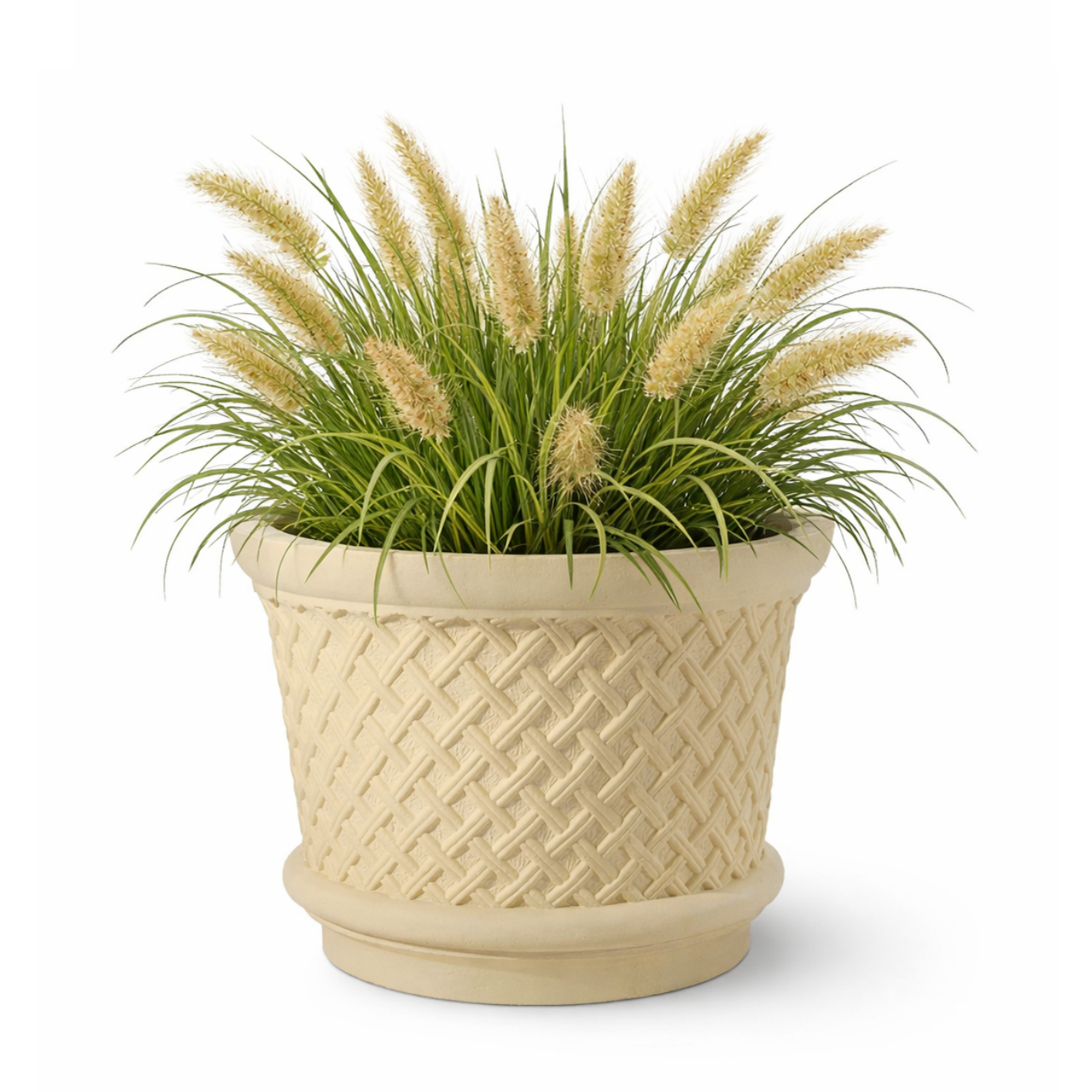
Material affects appearance, weight, maintenance, and the overall character of the display. Fiberglass is lightweight and available in a wide range of colors and finishes, while fiberstone creates a stone-like look without the weight of traditional stone. Which you’ll prefer depends on your idea for your outdoor planter configuration.
Explore fiberglass and fiberstone planters when you want polished finishes with flexible styling. PVC offers crisp architectural lines, while metal options can bring a more contemporary or industrial note to the landscape.
Step 4: Pick a Shape That Supports the Design
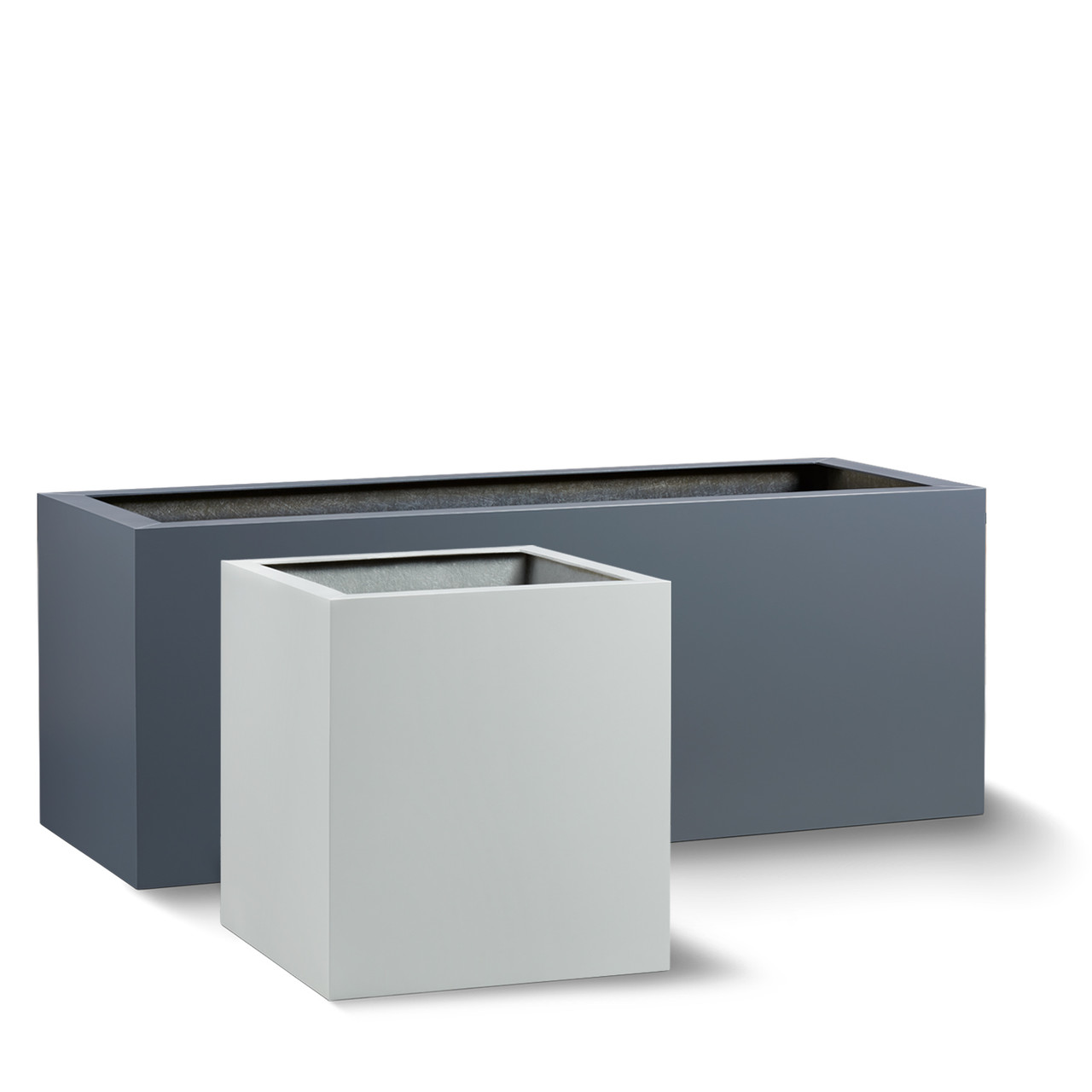
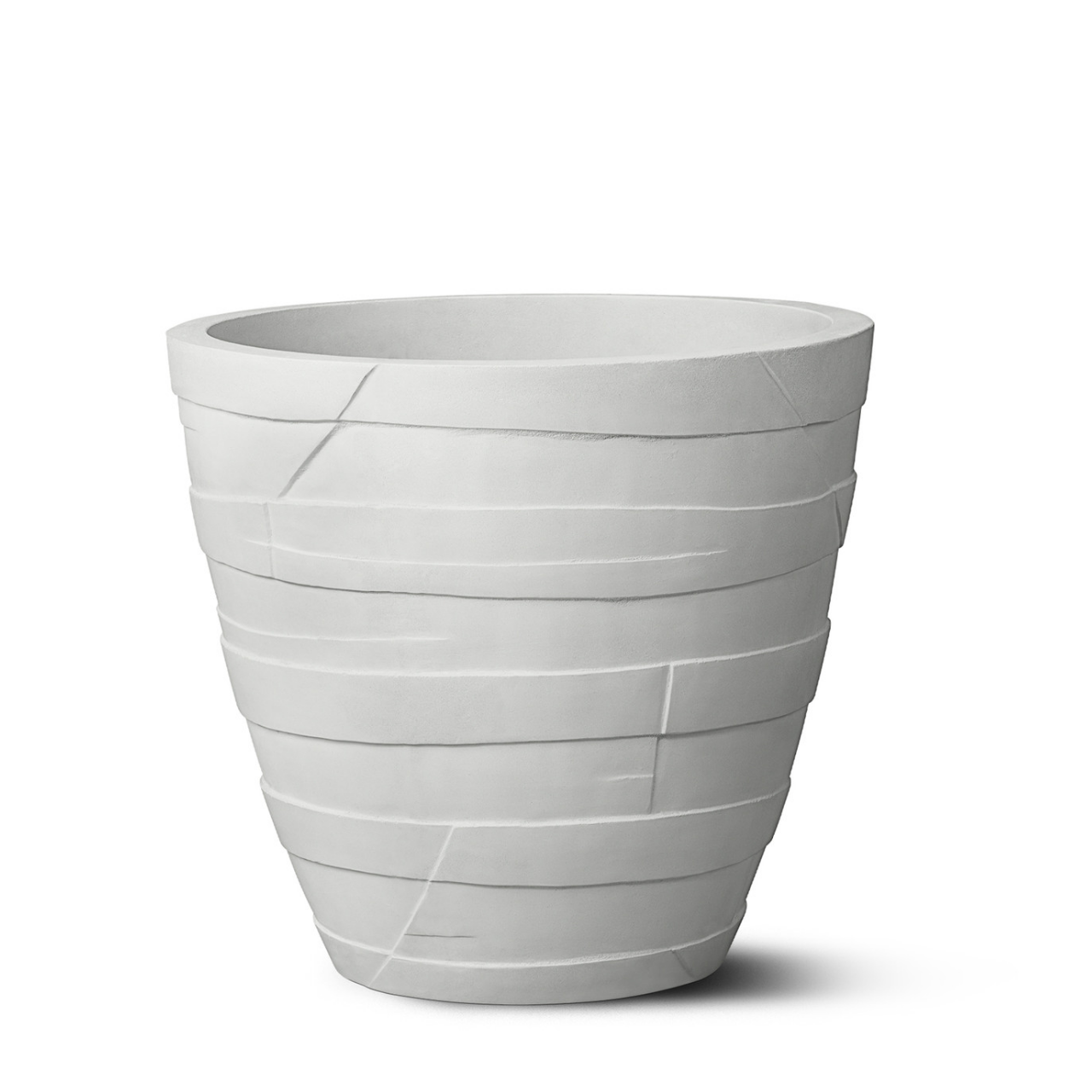
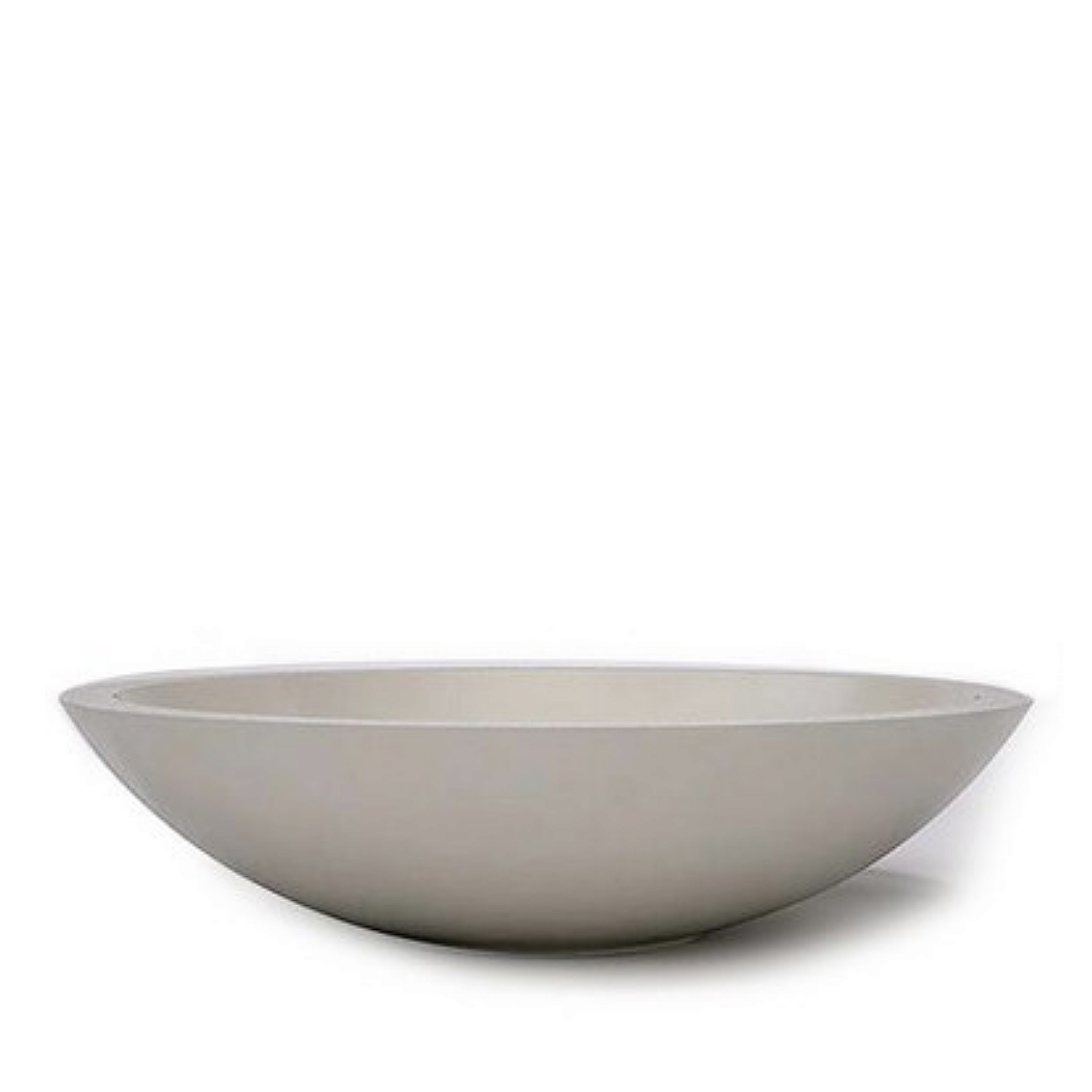
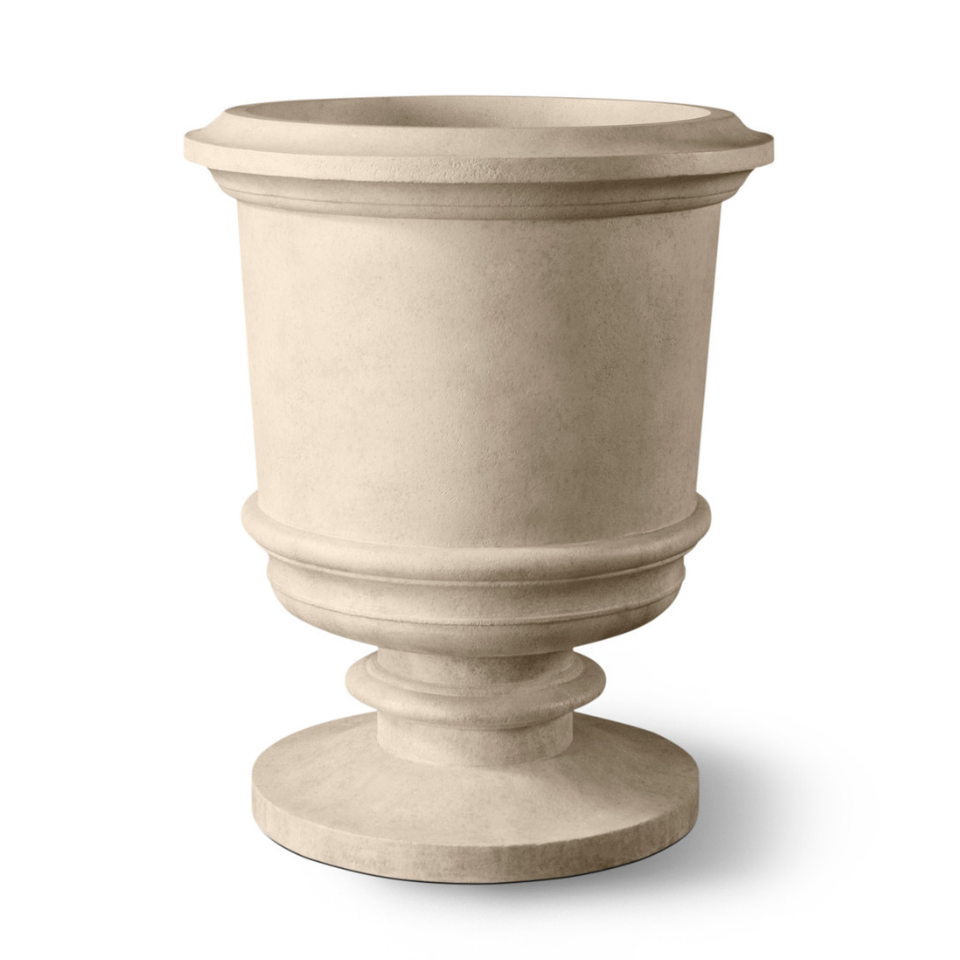
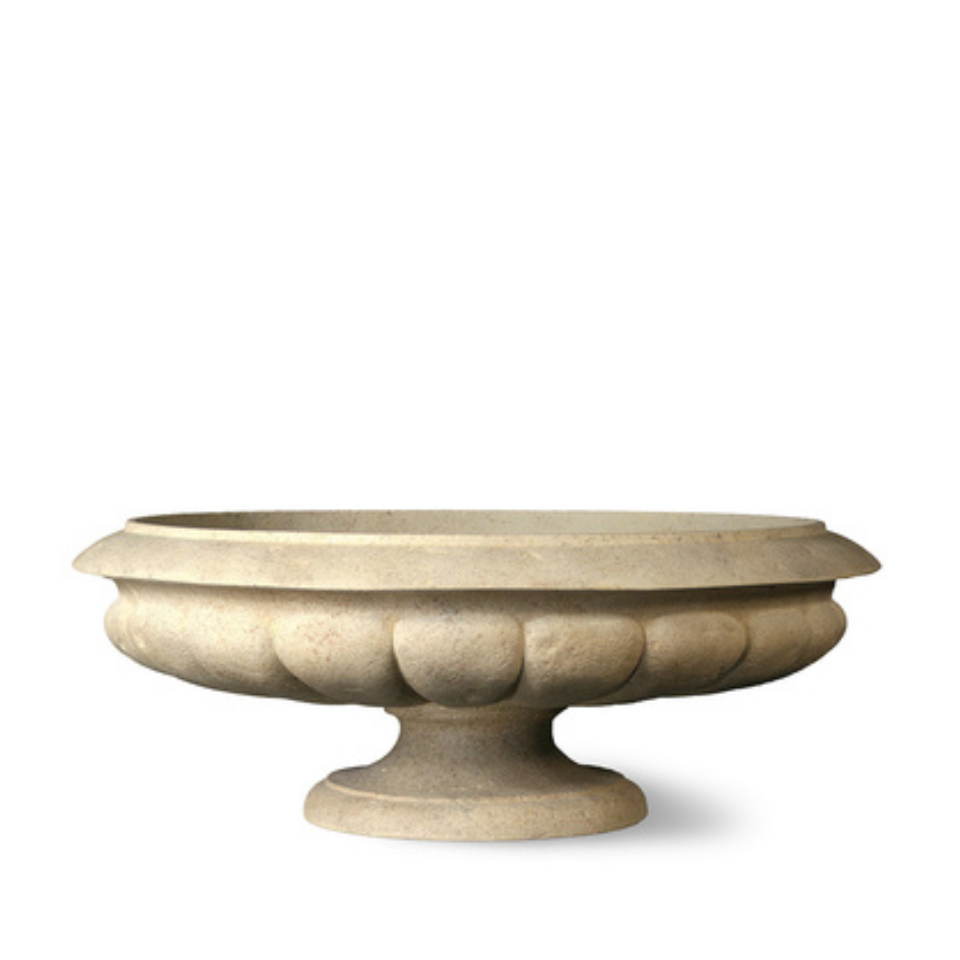
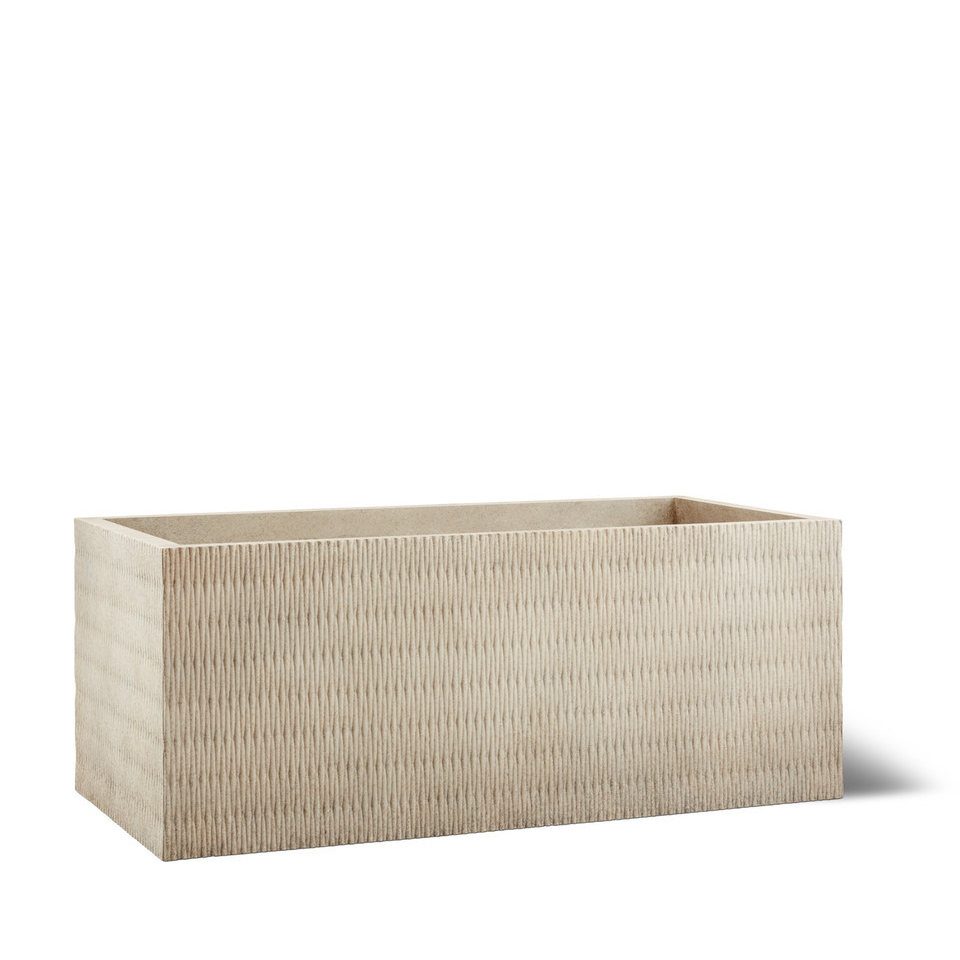
Shape helps connect the planter to the surrounding architecture. Square and rectangular planters are useful for lining walkways, defining edges, or creating clean groupings. Round planters and urns soften corners and work especially well near doors or on patios. Low bowls can add greenery to pedestals or columns without blocking sightlines.
Among the most versatile ideas for outdoor planters are coordinated pairs at an entry, repeated rectangular planters along a terrace, and a low bowl used as a sculptural accent.
Step 5: Plan for the Plants, Drainage, and Watering
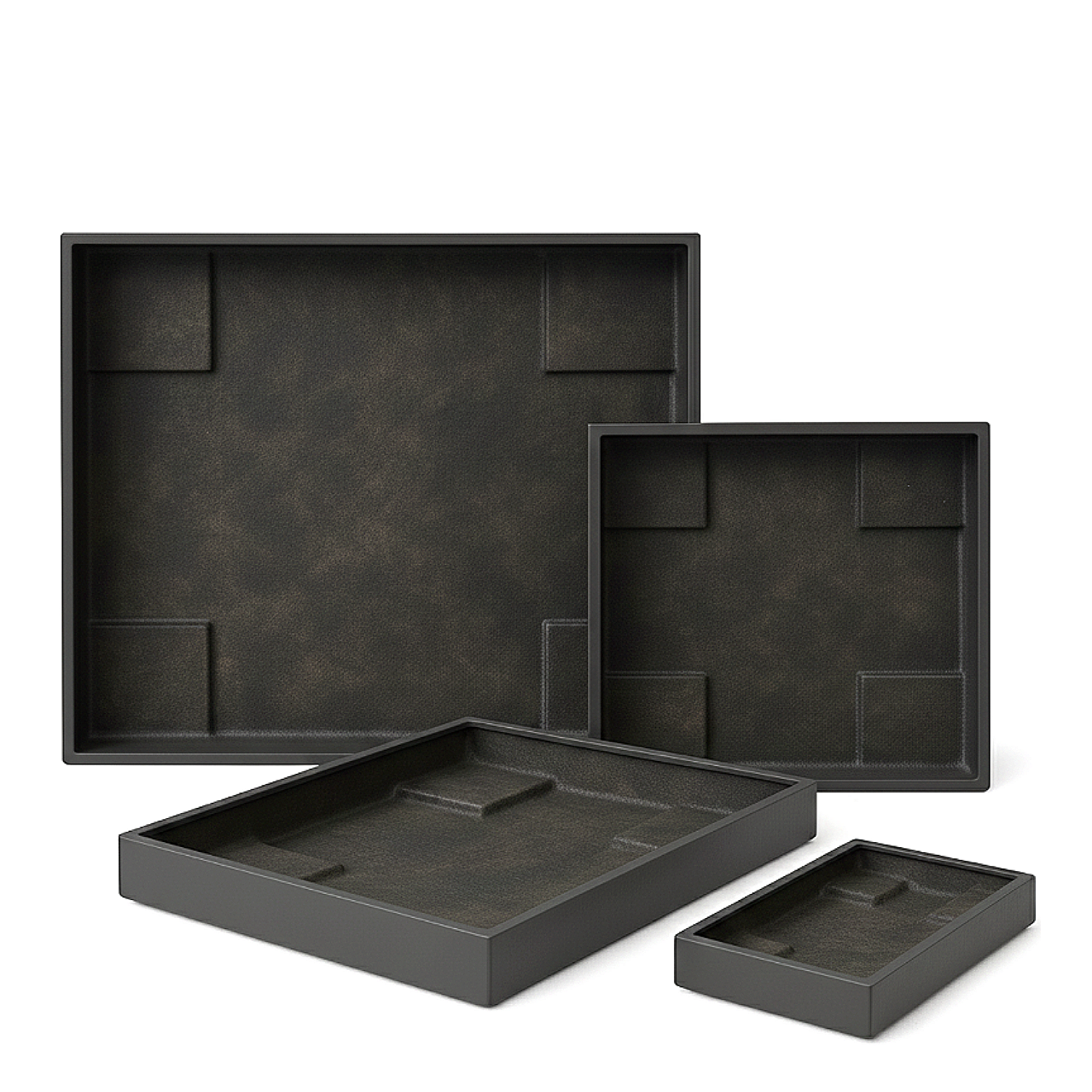
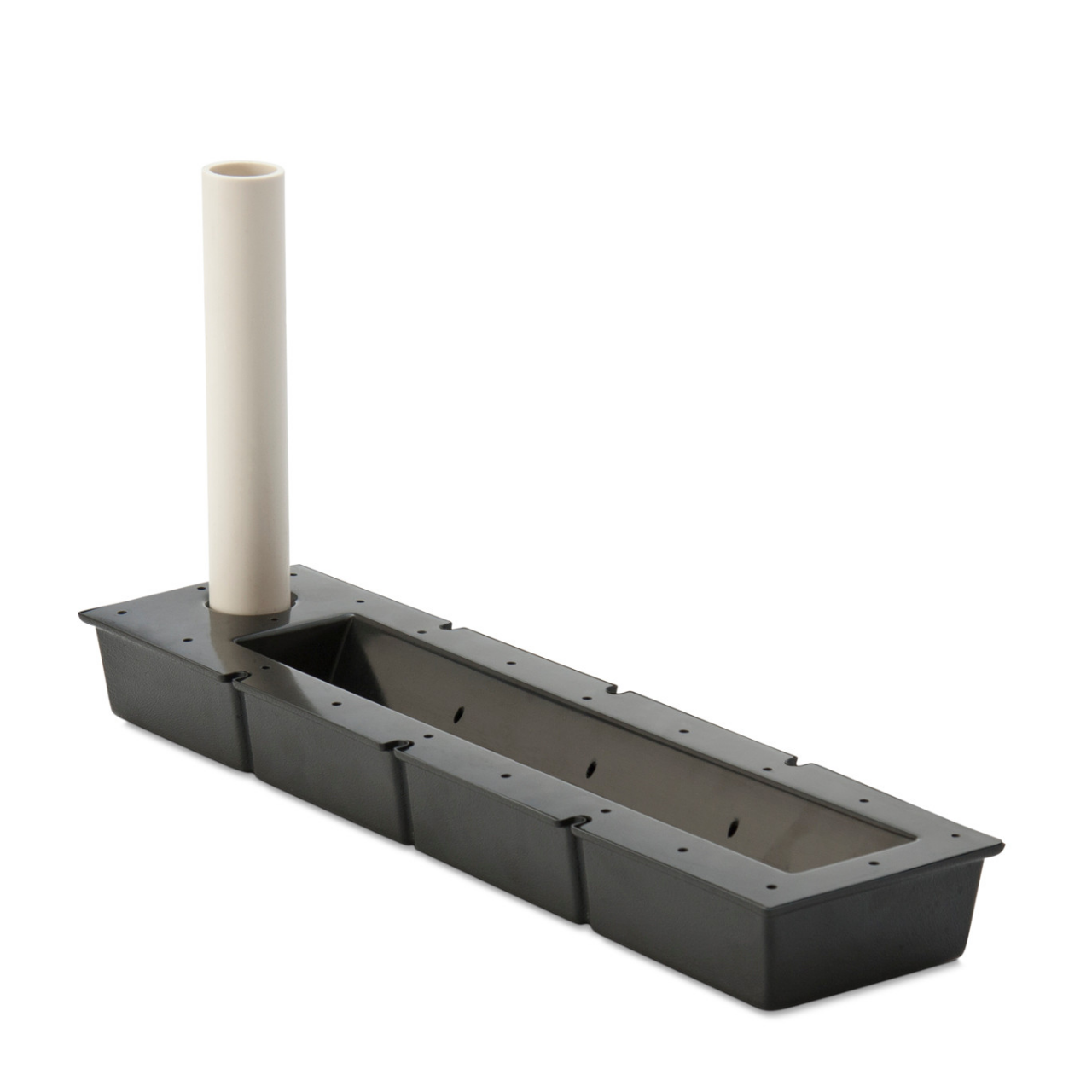
Before planting, confirm how the container handles drainage and how often the arrangement will need water. Many Hooks & Lattice planters include drainage, and some collections offer reservoirs, drip trays, or other watering options.
A planter outside that receives full sun may need a different watering routine than one in a shaded entry. For lower-maintenance container gardening, review the self-watering container gardening guide before choosing accessories.
Step 6: Coordinate the Finish With the Home
Finish the selection by looking at the home as a whole. Repeating a trim color, echoing the lines of exterior millwork, or contrasting a light façade with a darker planter can make the container feel integrated with the architecture.
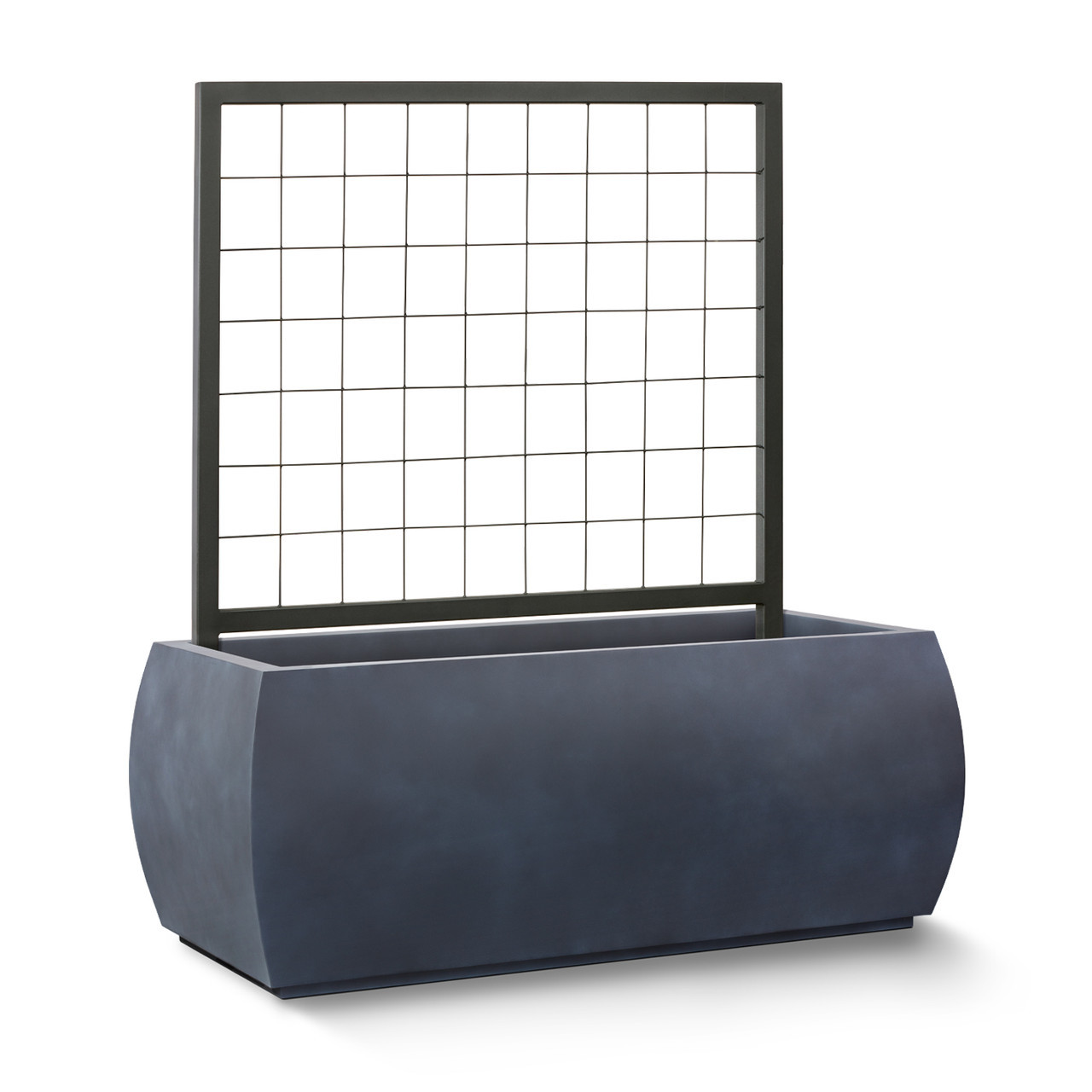
If privacy or vertical greenery is part of the plan, planters with trellises can combine the container and vertical element in one coordinated piece. The most successful ideas for outdoor planters look considered even before the plants are added.
Ideas for Outdoor Planters by Location
For a front entrance, use a matching pair to create symmetry and direct attention toward the door. On a patio, group containers in different heights or use long rectangular forms to define conversation areas. On a balcony or roof deck, choose scale carefully so the planter outside suits the available footprint. In larger landscapes, oversized planters can support trees, mixed plantings, or visual separation. These ideas for outdoor planters can be adapted to traditional, transitional, and modern homes by changing the material, silhouette, finish, and planting style.
Frequently Asked Questions
How to plant outdoor plants in pots?
Choose a container with enough room for the plant's root system, confirm the drainage setup, and use an appropriate potting medium for the species you are growing. Position the plant at the proper depth, fill around the root ball without packing the soil too tightly, water thoroughly, and adjust future watering to the plant, container size, and exposure.
Where can I buy large outdoor planters?
Hooks & Lattice offers large outdoor planters in multiple materials, shapes, and finishes, including options suited to entryways, patios, pool areas, terraces, and landscape dividers. Browse the large outdoor planter collection then compare dimensions, material, drainage, finish, and customization options for the space.
What size planter should I use outside?
Choose a planter that fits both the available space and the mature size of the plant. Small containers are well suited to accents and shallow-rooted plants, while larger planters provide more soil volume for mixed plantings, trees, and plants with deeper root systems.
Which planter material works well for residential outdoor spaces?
The best material depends on the look, weight, maintenance level, and location you want. Fiberglass and fiberstone are versatile choices for refined residential settings, while PVC and metal options can complement architectural or contemporary designs. Compare the material specifications for the exact planter before choosing.
Do outdoor planters need drainage?
Drainage needs depend on the planter, plant, and intended setup. Many Hooks & Lattice planters include drainage, while some products offer drainage-free or reservoir configurations. Check the specifications for the exact planter and choose a setup that matches the plants and placement.