

Key Takeaways:
• Regional topography, shifting wind patterns, and neighborhood architecture create distinct microclimates that heavily impact how a winter window box survives seasonal temperature swings, regardless of your base climate zone.
• Open, scrollwork iron planter cages allow you to drop in individual potted plants that can be lifted out and moved indoors instantly ahead of an unexpected extreme frost.
• Choose resilient, shade-tolerant plant species to protect north-facing winter flower boxes from damage. Drought-resistant options preserve south-facing installations during dry, cold spells when water access is limited.
The dog days of summer are but memories, and as fall settles in, we all face the perennial challenge of what to do with our window boxes with winter on its way. From experienced green thumbs to container gardening initiates, the decisions are always tough ones. Unless, that is, you live in one of North America's extreme temperature zones where the decision is made for you.
By the way, if you're new to container gardening or are planning to start, check out the many flower box ideas for winter in Hooks & Lattice’s beginner’s
The USDA temperature zone of your location is a guide to the lowest temperature your window box plants can tolerate. But it is just that – a guide. Window boxes are particularly vulnerable to freezing and thawing, even in temperate zones where 10–20°F are not uncommon in January and February.
When Should You Overwinter or Relocate Winter Flower Boxes?
With this in mind, your winter plans and how you plan on decorating window boxes for Christmas should first consider general practice for your temperature zone. Next, and this is where decisions get tough and experience matters, you should consider your own microclimate, which is the way your local landscape can affect your weather.
General practice should range from "overwintering" in the case of extended cold periods to relocation of window boxes into sunrooms or temporary insulation of the entire window box and its plants during a short cold snap.
• Overwintering means removing your plants from the window flower box and making rooted cuttings. Pelargoniums, for example, can be lifted from the box, trimmed to within three inches of the base, then replanted in a temporary container and kept dry and at the lowest temperature they can tolerate. Too much moisture and warmth will promote premature growth.
• Relocation is an option if you have a sunroom or a greenhouse. This arrangement is best in areas where temperatures are not extreme and cold periods provide reasonable amounts of sunlight. If you (or your local weatherman) have a good record for predicting the length of cold snaps in temperate zones, you can always bundle your boxes and plants up in plastic or, better yet, a burlap bag with straw. Be sure to cover the bottom of the box as well since cold air can quickly freeze the soil. The look may not be elegant, but the solution works for brief cold or freezing temperatures.
Consider Your Winter Window Boxes’ Microclimate
And so to microclimates. If you live in San Francisco, you know exactly what this means. Homes on the slopes on the Pacific side of the Twin Peaks can experience chilly, fog-laden winds, while on the other side of the hill and towards the Bay, it can be warm and dry at the very same time! Being aware of your local topography can help you and your winter window box better survive the impact hills, plains, ridges, and lakes can have on general weather conditions. There's even more.
Your own neighborhood can have its little weather patterns; just consider the difference in temperature on either side of a north-facing house on a clear, sunny but chilly winter's day.
Of course, there is yet another option: winter flower boxes designed to hold pots. The look is great, but you can always remove the pots if the weather suddenly changes. See the Lattice and French window boxes, where one satisfied customer wrote back to say that her window boxes survived four hurricanes in Florida!
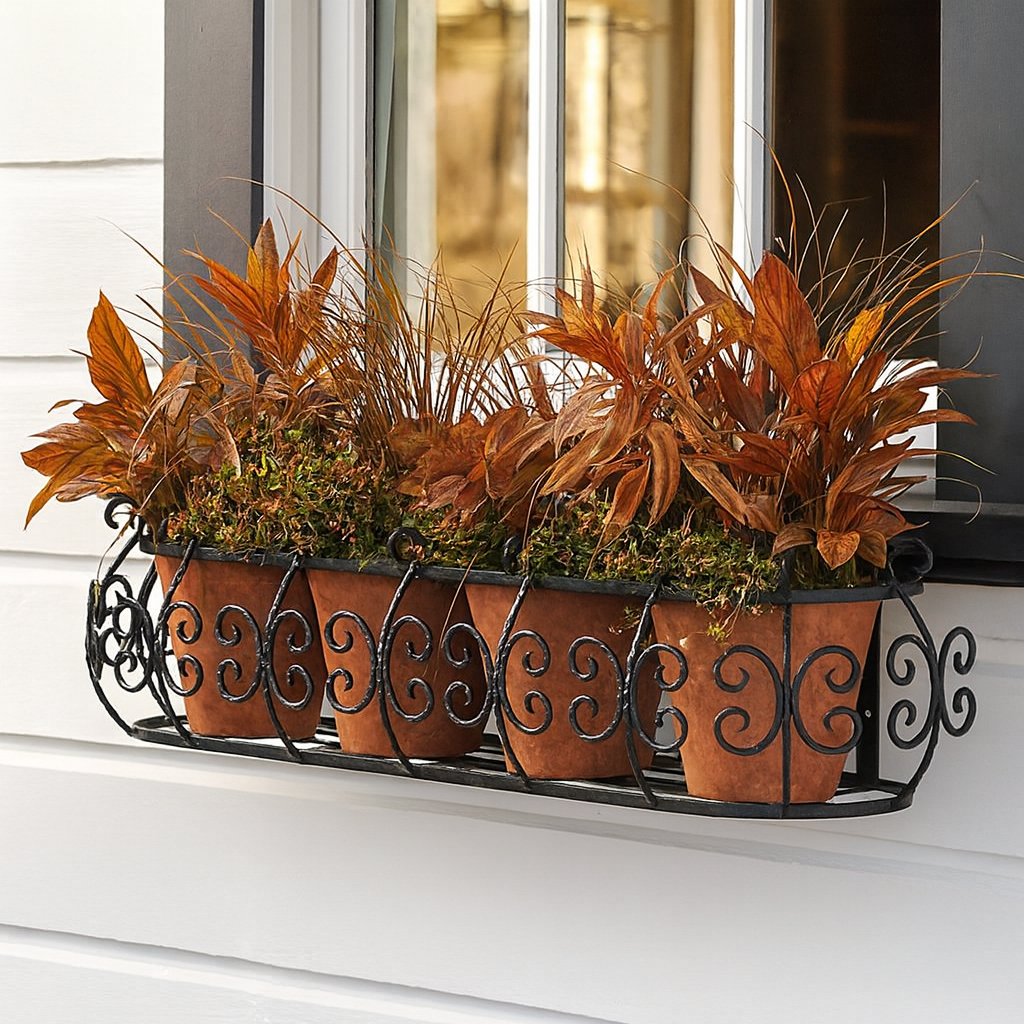
Flower Box Ideas for Winter
Now, armed with the knowledge of your USDA temperature zone and your own local meteorological idiosyncrasies, you can plan your winter window box. In the southeast, for example, warm spells result from humid tropical air that often brings rain with the higher temperatures. Yet within days, a "Canadian Clipper" can rush south with frigid and very dry air.
Plants for North-Facing Boxes
Even when armed with your weather knowledge, it makes sense to plan your winter window boxes with plants that can handle the changes as opposed to summer, when anything goes and grows. North-facing boxes are best with shade-tolerant varieties such as Camellia, Ajuga, and Hydrangea.
Testing these specific varieties is a fantastic approach when brainstorming fresh flower box ideas for winter arrangements that remain beautiful in lower-light conditions.
Plants for South-Facing Boxes
South-facing boxes in colder, drier periods are good for varieties better able to tolerate lack of water (and we all know that watering is always an issue with window flower boxes). Agapanthus, Ficus, and Yucca are examples.
One last tip: the Internet is THE place to research flower box ideas for winter, container gardening, and winter window box buying guides. One of the widest selections to be found is located at Hooks & Lattice.
Information in this article may be republished in other interactive digital forms as long as attribution to HooksAndLattice.com is given and links remain intact. For questions, contact Hooks & Lattice online or at 1(800) 896-0978.
Frequently Asked Questions
Can I leave my window boxes up during the winter?
Yes, you can keep your display mounted all year if your planters are built from frost-resistant materials like wrought iron. However, a dirt-filled winter flower box is highly vulnerable to freezing, which can crack fragile liners. In areas with harsh freezes, swap summer soil for sturdy potted evergreens or faux holiday greenery.
How do I protect my window box plants from a sudden freeze?
When an unexpected cold snap hits, shield your winter plant boxes by wrapping them in a burlap bag stuffed with straw. Make sure to cover the bottom since cold air swirling underneath freezes roots fast. For an easier fix, use an open iron scrollwork cage to slide pots indoors before the storm arrives.
What are the best plants for a winter window box in the shade?
For north-facing setups that rarely see the sun, you need tough, shade-tolerant varieties that won’t wither. Some of the top flower box ideas for winter include planting Camellia, Ajuga, and Hydrangea. You can also mix in trailing ivy to keep the arrangement looking lush and full without direct sunlight.
How often should you water plants in a winter flower box?
Plants in flower boxes during the winter need far less water than they do in July, but they shouldn’t dry out completely. Cold winds pull moisture out of the soil quickly on south-facing spots. Check the soil on warmer afternoons and water lightly only when the top inch feels bone dry.
Do I need to insulate my planters for freezing weather?
If you want to keep sensitive perennials alive through January, insulating your winter window box is a great move. Line the inner walls of your container with a thin sheet of bubble wrap before adding pots. This small thermal barrier shields roots from drastic temperature swings.
What are some easy ways to decorate window planters for Christmas?
The most popular flower box ideas for winter center around using seasonal, woody trimmings instead of delicate flowers. Try filling your planter with fresh pine boughs, large pinecones, and bright red dogwood twigs. Push these clippings directly into the soil and weave in LED fairy lights.
When should I move my winter flower boxes inside?
You should relocate your window boxes into a sunroom or garage if your weather forecast predicts deep, extended sub-zero temperatures. Brief cold snaps can be handled with temporary burlap wrap, but long stretches of severe ice kill container plants. Moving the display indoors means it will survive until spring.